Altenew Florapedia - Majestic Peonies
Majestic Peonies | Florapedia
Explore the majestic elegance of peonies and more in this Florapedia! Find out the different types of flowers, flower meanings, and flower symbolisms.


Explore the majestic elegance of peonies and more in this Florapedia! Find out the different types of flowers, flower meanings, and flower symbolisms.
Home / Altenew Florapedia / Majestic Peonies
ALTENEW FLORAPEDIA
"I equate peonies with love because they're the first blooms of summer." - Isaac Mizrahi
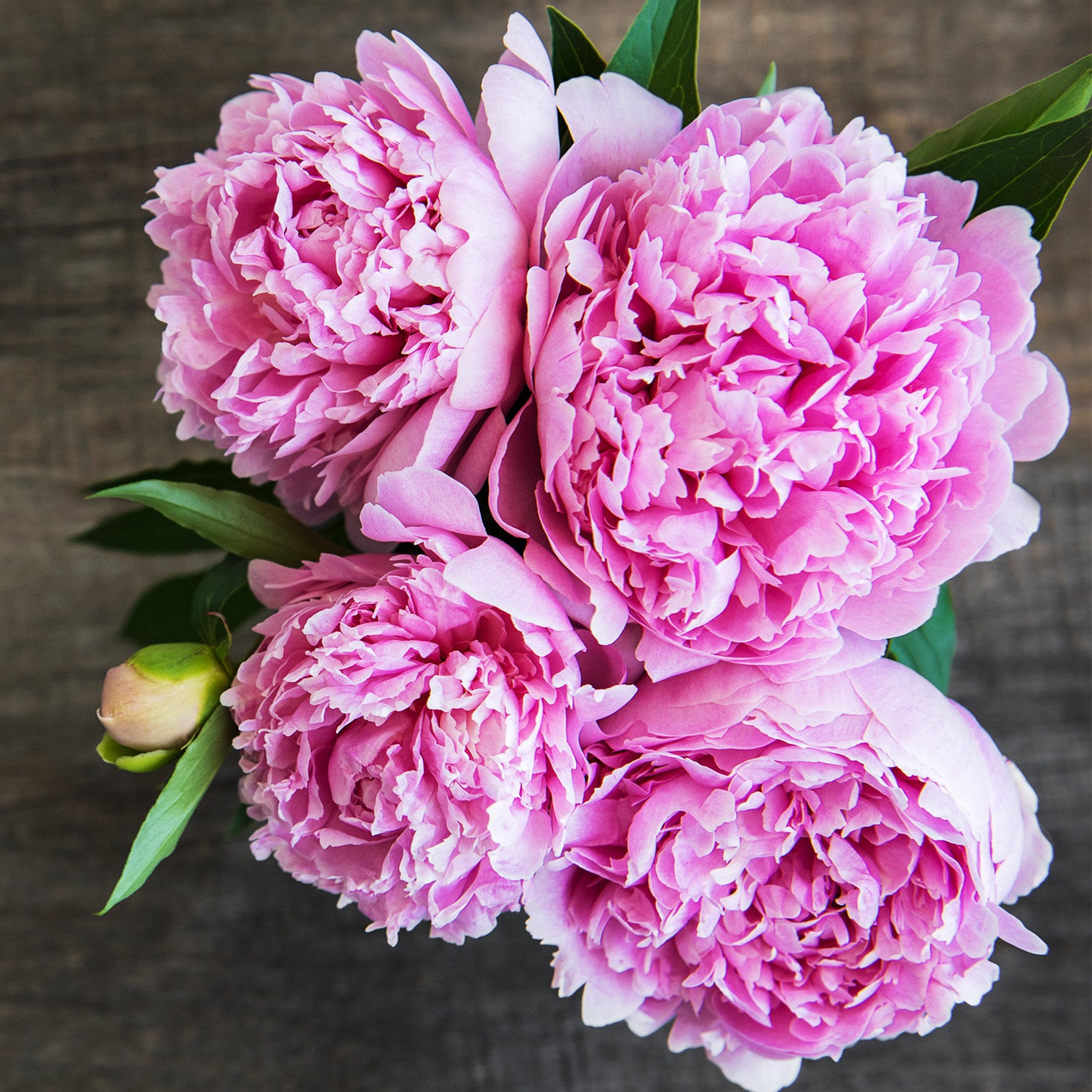
Peonies have been a gardener’s favorite for centuries because of their lush scrumptious blossoms and captivating fragrance. These large magnificent flowers, with delicate petals and rich texture, add splashes of color and extravagant beauty to any landscape or bouquet. Peonies are among the world’s most beloved perennials. Last but not the least, they have one of the longest lifespans of any flower, and bloom for a generation or more with little or no attention, making them any gardener’s favorite.
Did you know?
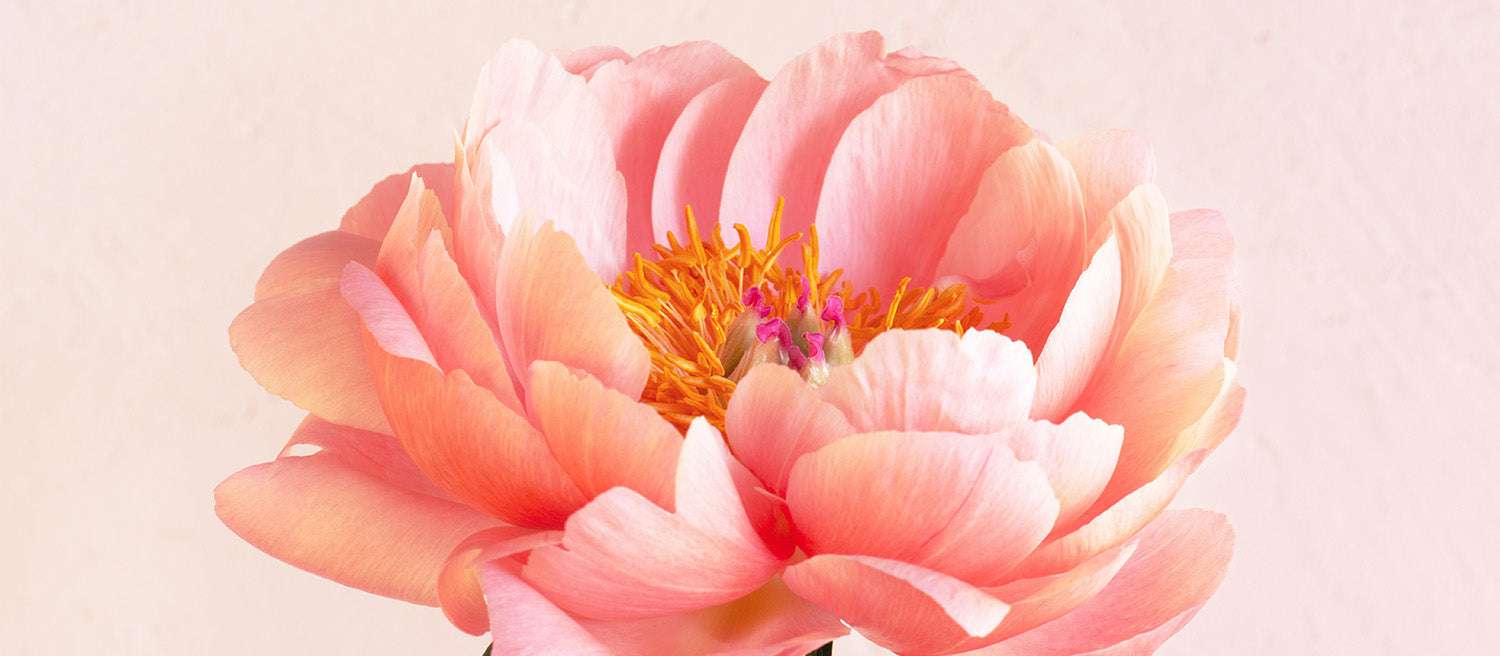
Peonies can change color! Just when you think they can’t get any lovelier, some peonies, like the Coral Charm variety, change color as they bloom!

“A rose is a rose, but a peony is a friend forever!”
Peonies may be considered as one of the miracles of the gardening world. Not only are they intoxicatingly fragrant and delicately royal, they can stand through the test of time with an excellent chance of outliving their gardeners. Botanically, peonies fall into the genus Paeonia. The common or garden peony is Paeonia lactiflora. It’s also sometimes referred to as Chinese peony, which is appropriate, since the peony is a traditional floral symbol in China. The Paeonia genus includes more than 30 species and hundreds of varieties, some of which may be dated back to thousands of years ago in China.
The most commonly grown peony plants may be classified into three main categories:
These perennial garden classics are further classified by their flower form. The shape of peony flowers ranges from airy delicate blooms, to bold frilly pom pom puffs. These blooms, may be categorized as follows:

PEONY TALK:
In China, “peony” is called 牡丹 (mǔdān) means “the most beautiful”.
Cultivated for centuries, these timeless, subtly elegant, and undoubtedly sophisticated peonies have always been shrouded with layers of symbolism and meaning. As much as they are known for their decorative value, these lush blossoms also have ties with love and romance in the modern world. They bloom in a variety of gorgeous colors and come in shades of white, cream, pink, rose, deep red, and sometimes yellow. Purple, orange, and coral peonies also exist and provide brilliance to gardens and floral arrangements, but they are less common. They are worthy of any special moment, big or small, and because they are available in so many colors, there is undoubtedly an appropriate peony for any occasion in life.
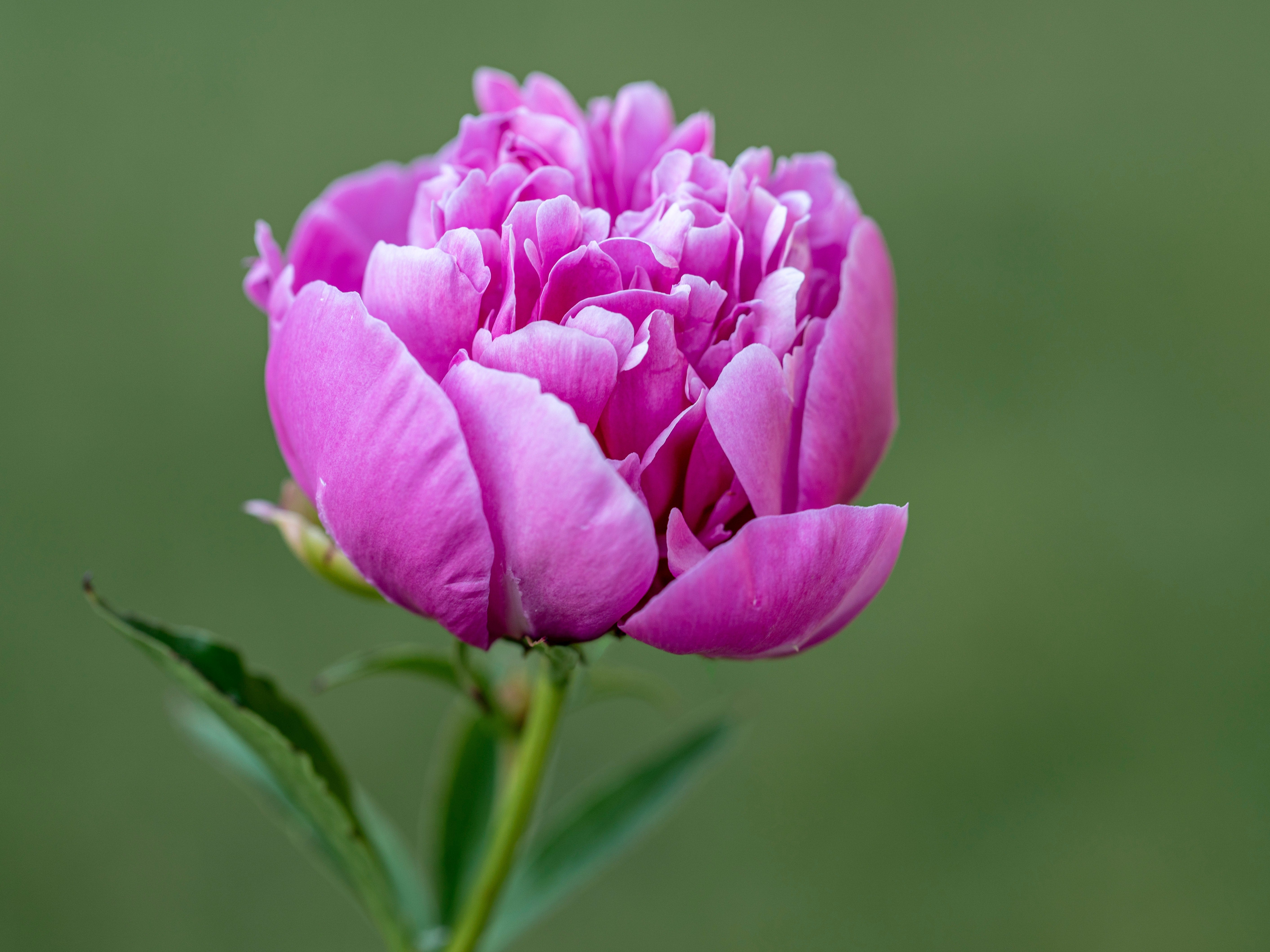
Pink Peonies - Most romantic type of peony; symbolizes the beauty of marriage; represents love at first sight
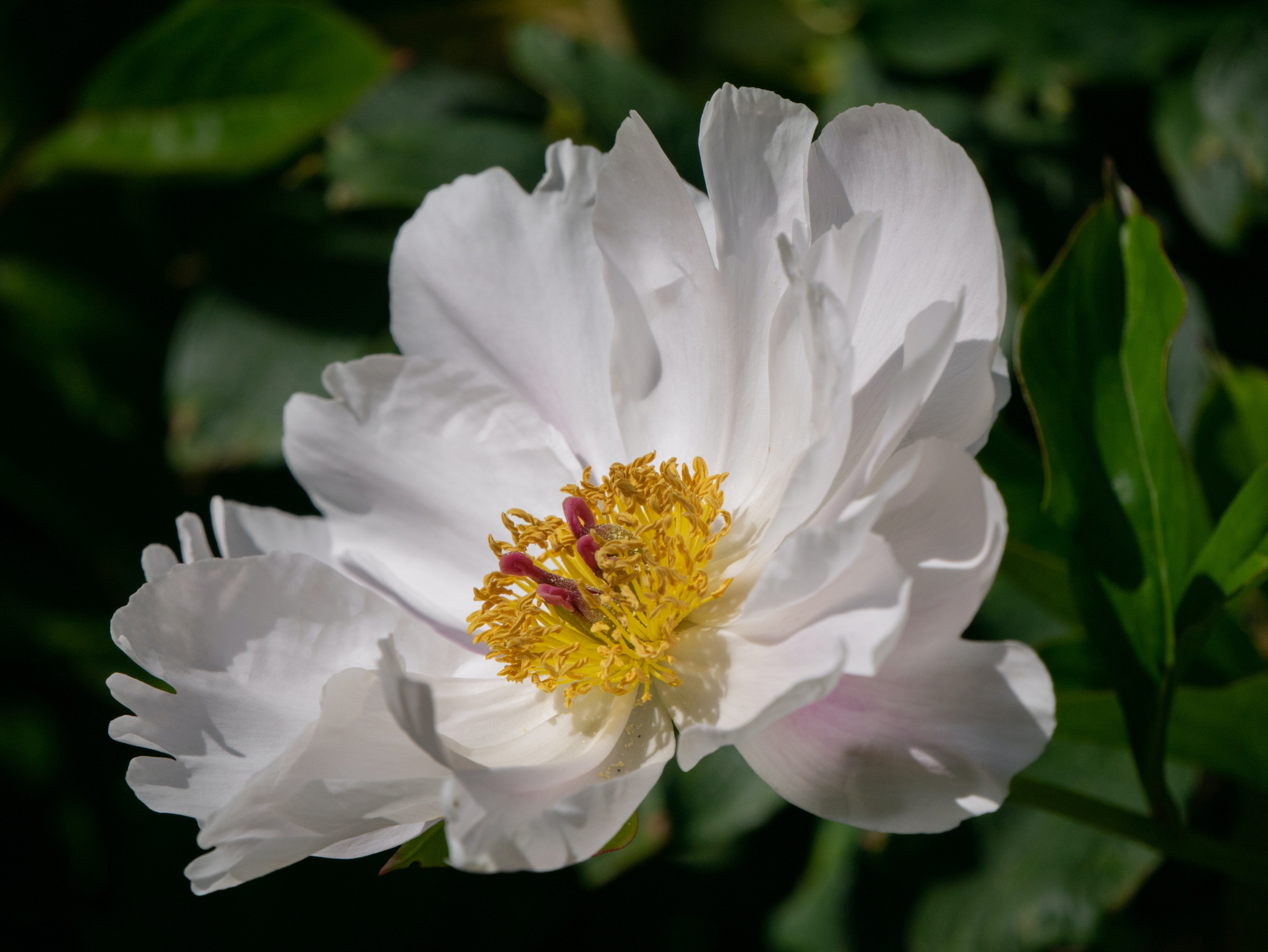
White Peonies - Apology, bashfulness, shame and regret, expressing remorse and making amends
Red Peonies - Passionate love and romance

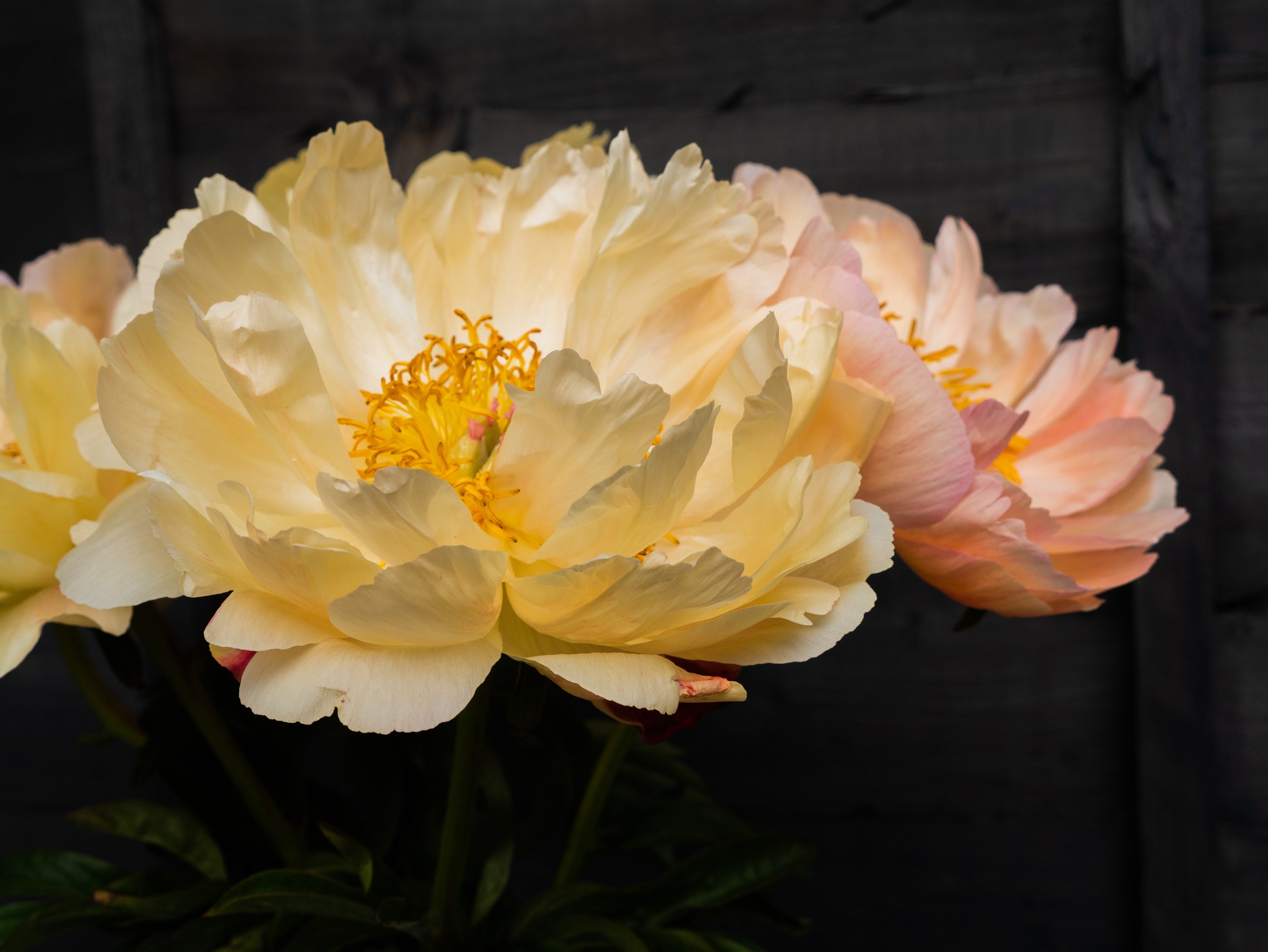
Yellow Peonies - New beginnings and good fortune
The peony is deeply rooted throughout history. It has been around for over 4,000 years. They were first seen in the eastern part of the world, in Chinese and Tibetan gardens. By the eighth century, these graceful, luscious, versatile blossoms had found their way to Japan. The peony plant was appreciated by different cultures not only for its ornamental beauty in imperial gardens, but also for its curative abilities. They were used to treat bladder ailments, stomach pains, other internal afflictions, and even night tremors.

In the Middle Ages, the Christians thought the peony plant was a symbol of wealth, health, and beauty. They used the seeds and roots in herbal teas and medicines to cure a variety of ailments from the inside out. They also began to create hybrids of peonies because they thought that it was going to increase its curative powers. A lot of these hybrids are available even today.
Peonies are one of the world’s most coveted perennials. Few flowers rival the ravishing peony that is known for its delicate petals and rich texture. Aside from the fact that they’re wonderfully fragrant, and make bright and uplifting additions to any garden or bouquet, they carry a rich history of their uses in medicine and cultivation, and are still greatly appreciated in special regard worldwide.
FUN PEONY FACTS


PEONY TALK:
Today, peonies are most often used in decoration or celebration - from floral bouquets to show-stopping background floral arrangements, but they have had quite a storied past!

Peonies are not only appreciated for their beauty and medicinal purposes, but also widely acknowledged in literature. The captivating beauty of peonies gripped the hearts of numerous poets and authors. In one of his poems, Li Bai compared Empress Yang's beautiful visage to an exquisite flower of peony, and the flower often appeared as one of the key subjects in Chinese literature. A famous Japanese ghost story called Botan Dōrō ("牡丹燈籠": The Peony Lantern), is also believed to be an adaption of the Chinese Mudan Dengji ("牡丹灯记": Tales of the Peony Lantern), a short novel written during the Ming Dynasty.
Let’s take a look at some popular peony quotes:
Here, at Altenew, we are in love with this rich flora that can be found in the world around us.
Let’s take a look at the amazing product line up we have with our majestic peonies:


